Blog Posts
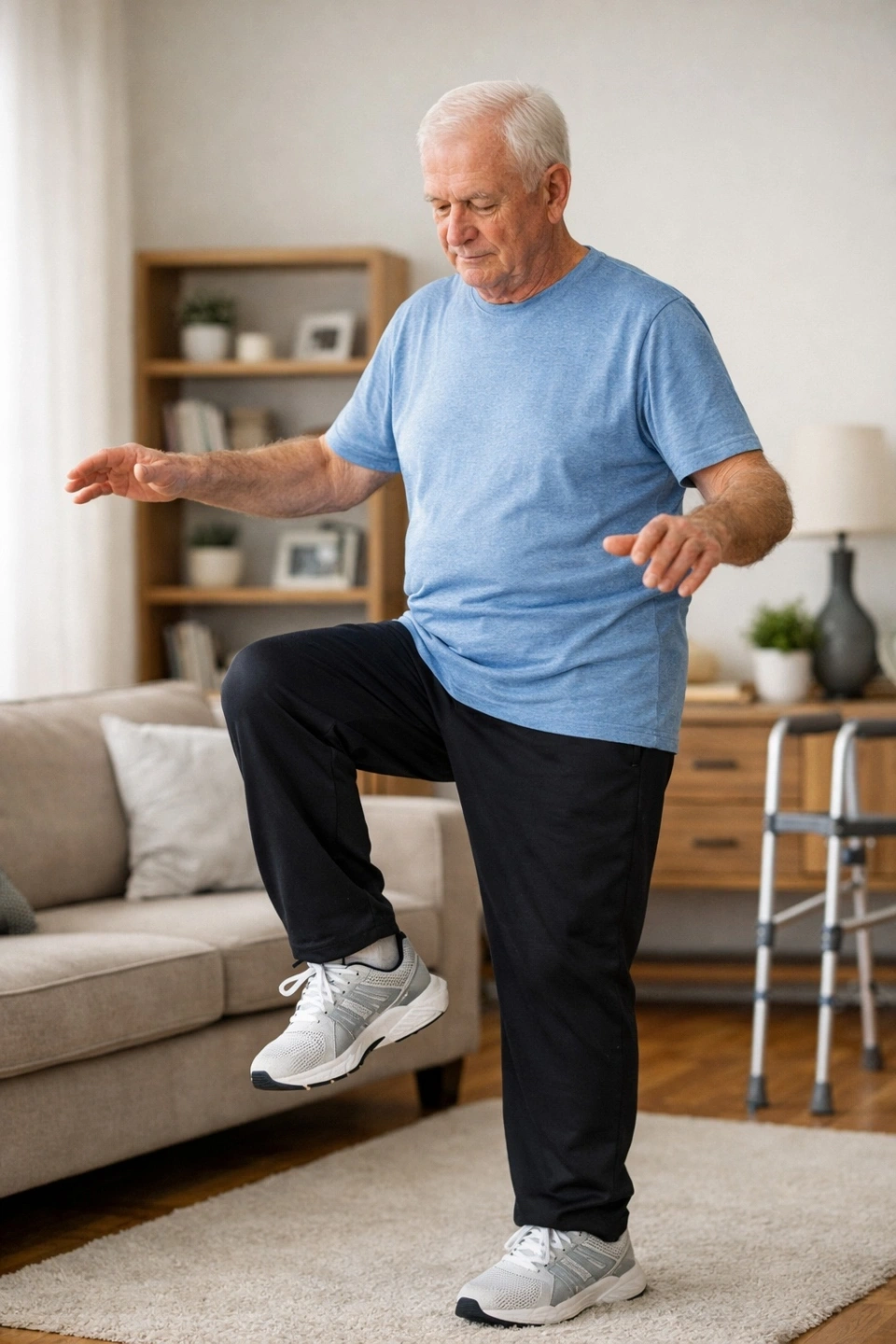
Stroke Physiotherapy Geelong
Stroke Physiotherapy Geelong
Experiencing a stroke can be a life-changing event, affecting movement, balance, communication, and independence. Physiotherapy plays a crucial role in helping people regain function, confidence, and quality of life after a stroke.
At Liam Zampatti Physiotherapy, we provide mobile physiotherapy services for stroke patients across Geelong and surrounding areas, delivering personalised rehabilitation in the comfort of your own home or community setting.
What Happens When I Have a Stroke?
A stroke occurs when the blood supply to part of the brain is interrupted, either due to a blocked blood vessel (ischaemic stroke) or bleeding in the brain (haemorrhagic stroke). Without oxygen and nutrients, brain cells can become damaged or die.
Because different areas of the brain control different functions, the effects of a stroke vary from person to person. Common challenges after a stroke include:
Weakness or paralysis on one side of the body
Difficulty walking or poor balance
Reduced coordination or control of the arm and hand
Muscle stiffness or spasticity
Fatigue
Changes to sensation
Reduced independence with daily activities
Stroke recovery does not stop after hospital discharge. Ongoing rehabilitation in the weeks, months, and even years following a stroke is essential for maximising recovery.
How Can Physiotherapy Help After a Stroke?
Physiotherapy focuses on helping the brain and body re-learn movement, improve strength and balance, and regain functional independence. Stroke rehabilitation is highly individualised and adapts as recovery progresses.
1. Improving Movement and Strength
After a stroke, muscles can become weak or difficult to control. Physiotherapy helps to:
Retrain movement patterns
Improve strength in affected limbs
Encourage more normal, efficient movement
Reduce compensatory strategies that can lead to pain or falls
2. Walking and Balance Retraining
Many stroke survivors experience difficulty with walking and balance. Physiotherapy can help by:
Improving standing balance and postural control
Retraining safe and confident walking
Practising stairs, uneven surfaces, and community mobility
Reducing the risk of falls
3. Managing Muscle Stiffness and Spasticity
Some people develop increased muscle tone or stiffness following a stroke. Physiotherapy may include:
Gentle stretching and positioning
Movement-based strategies to reduce stiffness
Education on posture and daily movement strategies
4. Functional Independence and Daily Activities
Physiotherapy is not just about exercises — it’s about helping people return to meaningful activities such as:
Getting in and out of bed or chairs
Showering and dressing
Transferring safely
Returning to hobbies and community activities
5. Supporting Long-Term Recovery
Stroke recovery can continue long after the initial event. Ongoing physiotherapy helps to:
Prevent decline in strength and mobility
Maintain independence
Build confidence with movement
Support long-term health and wellbeing
Mobile Physiotherapy for Stroke Patients in Geelong and surrounding areas
As a mobile physiotherapist, Liam Zampatti Physiotherapy brings stroke rehabilitation directly to you. Home-based physiotherapy is particularly beneficial for stroke survivors because it:
Allows therapy to occur in a familiar, comfortable environment
Focuses on real-life tasks within your own home
Reduces the need for travel
Enables carers and family members to be involved in sessions
We work with:
NDIS participants
Home Care Package recipients
Private clients
People transitioning from hospital to home
Physiotherapy and Disability Support After Stroke
In addition to physiotherapy, we also offer Disability Support Worker services to assist stroke survivors with:
Community access
Mobility support
Building confidence outside the home
Supporting independence and participation
This integrated approach allows for consistent, person-centred care tailored to individual goals.
Stroke Physiotherapy Referrals in Geelong
We regularly work alongside:
GPs
Neurologists
Hospitals and rehabilitation teams
Support coordinators
NDIS planners and case managers
If you or a loved one has experienced a stroke and are looking for mobile stroke physiotherapy in Geelong or surrounding areas, early and ongoing physiotherapy can make a significant difference.
Book Mobile Stroke Physiotherapy with Liam Zampatti Physiotherapy
If you would like to learn more about stroke rehabilitation or organise a physiotherapy assessment at home, we’re here to help.
Servicing Geelong and surrounding areas
Mobile Physiotherapy & Disability Support Services
Stroke Rehabilitation Focused on Real-World Independence
Contact Liam Zampatti Physiotherapy today to discuss how physiotherapy can support stroke recovery.

Parkinson's Disease Physiotherapy Geelong: Improving Movement, Balance and Independence
Parkinson's Disease Physiotherapy Geelong: Improving Movement, Balance and Independence
Parkinson’s disease is a progressive neurological condition that affects movement, balance, coordination and daily function. While medication plays an important role in managing symptoms, physiotherapy is a key evidence-based treatment that helps people with Parkinson’s maintain mobility, independence and quality of life.
At Liam Zampatti Physiotherapy, we provide personalised Parkinson’s physiotherapy services across Geelong and surrounding areas, supporting individuals at all stages of the condition through targeted, goal-driven rehabilitation.
How Parkinson’s Disease Affects Movement
Parkinson’s disease primarily impacts the brain’s ability to control smooth and coordinated movement. Common physical symptoms include:
Slowness of movement (bradykinesia)
Muscle stiffness and rigidity
Reduced balance and postural control
Shuffling gait or reduced arm swing
Freezing of gait
Increased risk of falls
These changes can significantly affect walking, transfers, daily activities and confidence with movement over time.
The Role of Physiotherapy in Parkinson’s Disease
Physiotherapy focuses on optimising physical function and movement strategies, rather than treating the disease itself. Strong clinical evidence supports physiotherapy as an effective intervention for people living with Parkinson’s disease.
Research shows that physiotherapy can lead to improvements in:
Walking speed and stride length
Balance and postural stability
Functional mobility and transfers
Freezing of gait
Overall motor function and disability
Regular, progressive exercise has also been shown to support long-term mobility and independence.
What Does Parkinson’s Physiotherapy Involve?
At Liam Zampatti Physiotherapy, Parkinson’s physiotherapy programs are individually tailored following a comprehensive assessment. Treatment may include:
Gait and Mobility Training
Targeted exercises to improve walking speed, step length, turning and confidence with movement.
Balance and Falls Prevention
Balance retraining, reactive control exercises and practical strategies to reduce falls risk.
Strength and Conditioning
Progressive strength training to support posture, transfers and everyday functional tasks.
Cueing Strategies
Use of visual, auditory or rhythmic cues to assist movement initiation and reduce freezing episodes.
Functional Task Practice
Training focused on daily activities such as standing from a chair, stair negotiation and community mobility.
Programs are adjusted over time to match symptom changes, goals and functional needs.
Physiotherapy at All Stages of Parkinson’s Disease
Physiotherapy is beneficial from early diagnosis through to advanced stages of Parkinson’s disease.
Early stages: Focus on maintaining movement quality, strength and fitness
Mid stages: Address balance changes, gait efficiency and functional independence
Later stages: Support safe mobility, falls prevention and carer education
Early involvement with physiotherapy is encouraged to establish strong movement habits and proactive management strategies.
Parkinson’s Physiotherapy in Geelong
Liam Zampatti Physiotherapy provides neurological physiotherapy services tailored to people living with Parkinson’s disease in Geelong and surrounding areas. Services are delivered with a practical, patient-focused approach and may include home-visits or the options to complete sessions at your local gym depending on individual needs and preferences.
We work closely with clients, families and carers to support safe movement, independence and confidence in everyday life.
Book a Parkinson’s Physiotherapy Assessment
If you or a loved one is living with Parkinson’s disease, physiotherapy can play a vital role in maintaining mobility and quality of life. An individualised assessment allows us to create a structured plan aligned with your goals and current function.
Contact Liam Zampatti Physiotherapy to arrange a Parkinson’s physiotherapy appointment today.
References
Parkinson’s Australia. Physiotherapy and Parkinson’s Disease. Parkinson’s Australia. https://www.parkinsons.org.au
Tomlinson CL, Patel S, Meek C, et al. Physiotherapy versus placebo or no intervention in Parkinson’s disease. Cochrane Database of Systematic Reviews. 2012; (8): CD002817.
Keus SHJ, Munneke M, Graziano M, et al. European Physiotherapy Guideline for Parkinson’s Disease. KNGF / ParkinsonNet. 2014.
Goodwin VA, Richards SH, Taylor RS, et al. The effectiveness of exercise interventions for people with Parkinson’s disease: A systematic review and meta-analysis. Movement Disorders. 2008;23(5):631-640.
Ellis T, Rochester L. Mobilizing Parkinson’s disease: The future of exercise. Journal of Parkinson’s Disease. 2018;8(s1):S95–S100.